There's something profoundly freeing about walking barefoot on natural surfaces. The sensation of grass, sand, or gravel connecting with your skin can be both meditative and invigorating. However, when it comes to gravel, not all stones are created equal. Sharp, jagged pieces can quickly turn a pleasant stroll into a painful experience. The ideal gravel for barefoot walking is smooth, rounded, and uniformly sized—think of the kind you'd find along a pristine riverbed. It should offer a gentle massage without causing discomfort, making it perfect for garden pathways, zen gardens, or backyard retreats.
Navigating the market for suitable gravel can be tricky. Many products marketed for landscaping or terrariums may not be optimized for human feet. We've sifted through the options to bring you the top choices that prioritize comfort, safety, and natural appeal. Whether you're creating a dedicated barefoot path or enhancing an existing one, the right gravel makes all the difference. Below, we review the best available options, including dedicated gravel and alternative surfaces that provide a similar serene experience.
Top 7 Best Gravel & Barefoot-Friendly Walkway Products
| Image | Product Name | Personal Rating | Action |
|---|---|---|---|
 |
ZOOFOX 10lb Natural Rocks Stones, Small Washed Gravel | 4.0/5 | Check Price |
 |
RELIANCER 8' Wooden Garden Pathway, Outdoor Roll Out Cedar | 4.0/5 | Check Price |
 |
PrimeZone 54 PCS Solid Acacia Wood Interlocking Patio Deck Tiles | 4.2/5 | Check Price |
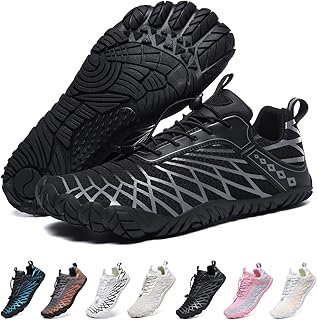 |
Hike Barefoot Shoes Zero Drop for Women Men | 2.0/5 | Check Price |
1. ZOOFOX 10lb Natural Rocks Stones, Small Washed Gravel
This product offers a bag of natural, washed small stones designed primarily for terrariums and landscaping. For barefoot walking, the key is the "washed" aspect, which suggests the stones have been cleaned and smoothed by water, reducing sharp edges. At 10 pounds, it's a modest amount suitable for a small garden path or Zen area. The stones are likely river pea gravel in size, which can be comfortable underfoot if truly rounded and fine.
Pros & Cons
| Pros | Cons |
|---|---|
|
|
If you're set on using actual gravel, this is your best bet from the available options. Before using, spread the stones on a clean surface and rinse them thoroughly. Walk on them to test for any uncomfortable pieces and remove any outliers. It's a budget-friendly way to create a natural barefoot path, but manage expectations—true comfort depends on the specific batch's smoothness.
Check Price2. RELIANCER 8' Wooden Garden Pathway, Outdoor Roll Out Cedar Straight Walkway
This isn't gravel, but it's an excellent alternative for a comfortable barefoot walking surface. Made from cedar, a naturally rot-resistant wood, this roll-out pathway creates an instant, smooth walkway. Cedar is relatively soft and, when properly finished, can provide a cool, even surface underfoot. It's weather-resistant and can be rolled up for storage, making it versatile for gardens, beaches, or event pathways.
Pros & Cons
| Pros | Cons |
|---|---|
|
|
For those who prioritize a consistently smooth, even surface over the traditional gravel feel, this cedar pathway is a top contender. It's ideal for creating a dedicated barefoot trail in a garden or connecting different areas. Regularly check for any roughness and sand lightly if needed. It's a mid-range solution that balances natural material with comfort.
3. PrimeZone 54 PCS Solid Acacia Wood Interlocking Patio Deck Tiles
These interlocking acacia wood tiles offer a modular, smooth surface perfect for barefoot walking. Acacia is a dense, hardwood that resists wear and moisture. The 12"x12" tiles click together easily, allowing you to create custom-shaped paths or patio areas. The surface is typically smooth and finished, providing a comfortable walking experience. Being waterproof and all-weather, they're suitable for year-round use.
Pros & Cons
| Pros | Cons |
|---|---|
|
|
If you want a permanent, low-maintenance barefoot path with a sleek appearance, these tiles are an excellent choice. They provide the most consistent and smooth surface among the options, though they sacrifice the natural, variable texture of stone. Great for pool decks, balconies, or garden patios where you frequently walk barefoot.
Check Price4. Hike Barefoot Shoes Zero Drop for Women Men Athletic Cross-Trainer Footwear
Including footwear might seem off-topic, but for those who want the barefoot sensation on actual gravel (or rough trails) without pain, minimalist shoes are the solution. These "barefoot shoes" have zero drop (no heel elevation), thin flexible soles, and a wide toe box, mimicking barefoot movement while providing a protective layer. They're quick-drying and suitable for water, beach, and light trail use.
Pros & Cons
| Pros | Cons |
|---|---|
|
|
If your gravel path isn't perfectly smooth or you want to explore natural trails, these shoes are indispensable. They let you enjoy the sensory experience of being "barefoot" while shielding your feet from discomfort. They're a complementary product rather than a direct gravel substitute, but they enhance the overall barefoot walking experience on any surface.
Check PriceBuying Guide: How to Choose the Best Barefoot Walking Surface
Conclusion
Creating a barefoot-friendly walkway is about balancing natural aesthetics with comfort. The ZOOFOX Natural Rocks is the only true gravel contender, offering an authentic stone experience if the stones are sufficiently smooth. However, for a consistently comfortable and low-maintenance surface, wooden alternatives like the RELIANCER Cedar Pathway or PrimeZone Acacia Tiles are superior choices—they eliminate the variability of stone and provide an even, splinter-free experience. And if you plan to walk on natural gravel or rough trails, Hike Barefoot Shoes are a smart investment to protect your feet without sacrificing sensory feedback.
Ultimately, your choice depends on priorities: authenticity versus comfort. For most backyard applications, we recommend the wood tiles for their durability and smoothness. If you're set on the gravel feel, purchase a small batch of ZOOFOX to test first. Pair your chosen surface with regular foot care (moisturize, inspect for injuries) to fully enjoy the therapeutic benefits of barefoot walking.
Comments (0)
No comments yet. Be the first!